
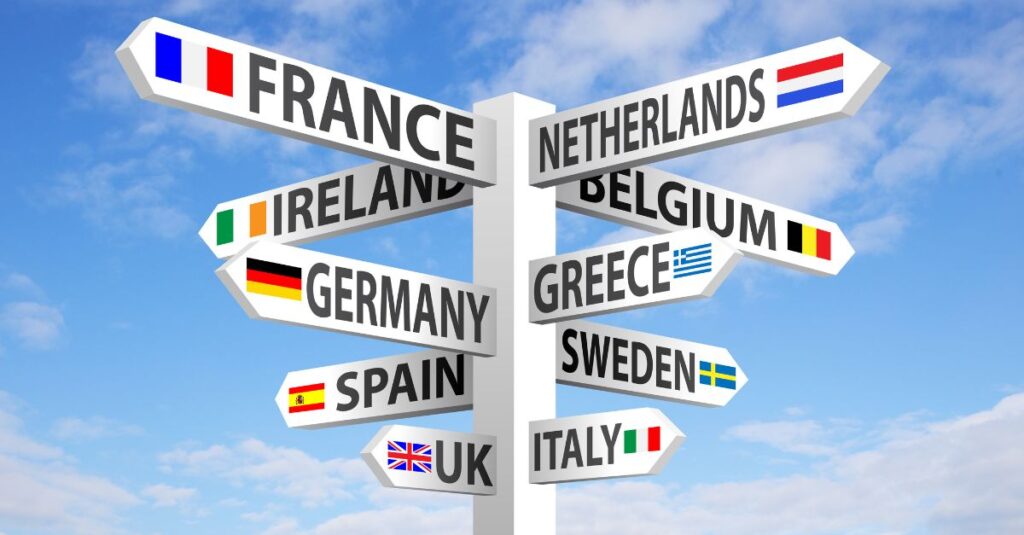
If you’re a professional in Europe, you might have noticed the rise of remote work. This shift has brought new chances for you to find jobs that aren’t limited by where you live.
Thanks to digital tools, companies all over the world are starting to work remotely. This means you can work for top companies anywhere, using your skills to get your dream job.
Exploring the global remote job market can improve your work-life balance and give you more flexibility. It also opens up more career options. Whether you want to change careers or move up in your field, there are opportunities waiting for you.
The Global Shift to Remote Work Opportunities
The pandemic has led to a big change in how we work. Now, people all over Europe and the world can find remote jobs. This change is because companies had to find new ways to work safely and keep going.
How the Pandemic Transformed the Job Market
The pandemic made remote work more common. Companies had to change how they work, moving away from offices. Now, there’s a big need for people who can do their jobs from anywhere.
Why Companies Are Seeking European Talent
People from Europe are in high demand. They have the skills and knowledge companies need. This is because they are good at technology, speak many languages, and can adapt to different cultures.
Technical Expertise and Specializations
European workers are known for their technical skills. They are experts in software, data, and digital marketing. These skills are wanted by companies all over.
Language Skills and Cultural Adaptability
Being able to speak many languages and adapt to different cultures is a big plus. It helps European workers fit in with teams and clients from around the world. This is something employers really value.
Europe Professionals International Remote Jobs: Market Overview
The international remote job market is growing fast. This is because more European professionals need digital skills. This change has brought new chances for jobs in many fields.
Top Industries Hiring European Remote Workers
Many industries are looking for European remote workers. These include:
- Technology and software development
- Customer service and support
- Marketing and sales
- Finance and accounting
- Education and training
Most In-Demand Skills and Qualifications
Skills like cloud computing, cybersecurity, and data analysis are wanted. Also, being good at communication, teamwork, and managing time is important.
Salary Expectations Across Different Markets
Salaries vary in different European markets. Things like the cost of living, local market conditions, and industry standards affect these.
Western vs. Eastern European Pay Scales
Western European countries like the UK, Germany, and France usually pay more. But, living costs are also higher there.
| Region | Average Salary Range |
|---|---|
| Western Europe | $40,000 – $80,000 |
| Eastern Europe | $20,000 – $50,000 |
Preparing Your Digital Skill Set for Remote Success
Exploring remote work means you need to boost your digital skills. The remote work world requires technical, communication, and self-management abilities.
Essential Technical Competencies for Virtual Collaboration
Knowing how to use tools like Slack, Trello, and Zoom is key. You also need to be good with project management software, such as Asana and Jira.
Digital Communication and Presentation Skills
Good digital communication means clear writing and presenting ideas online. You should be comfortable with tools like PowerPoint Online or Google Slides.
Self-Management and Productivity Tools to Master
To stay productive remotely, learn to use tools like time tracking software (e.g., Toggl, Harvest). Also, apps that help you stay focused (e.g., Freedom, StayFocusd) are important.
| Skill Category | Essential Tools/Software |
|---|---|
| Virtual Collaboration | Slack, Trello, Zoom, Asana, Jira |
| Digital Communication | PowerPoint Online, Google Slides, Email Clients |
| Self-Management | Toggl, Harvest, Freedom, StayFocusd |
Crafting a Remote-Ready Resume and Cover Letter
Starting your search for international remote jobs? It’s key to make your resume and cover letter pop. These documents are your first chance to impress employers, so they must be flawless.
Highlighting Remote Work Experience and Adaptability
When you’re applying for remote jobs, show off your remote work skills. Talk about managing projects, working with teams across the globe, and adjusting to different time zones. Being able to work alone and manage your time well is essential for remote success.
Showcasing Cross-Cultural Competencies
Employers look for people who can handle cultural differences and work well in diverse teams. Mention your language skills, experience with international clients, or work on multicultural projects. Showing you can handle cultural differences can really boost your appeal to global employers.
Tailoring Your Application for International Employers
To get an international remote job, tailor your application to the job and employer. Learn about the company’s culture, values, and what they expect. Then, adjust your resume and cover letter to fit their needs.
Country-Specific Resume Formats
Resume formats vary by country. For example:
- In the United States, a functional or reverse-chronological resume is common.
- In Europe, a CV-style resume with a detailed personal profile is often preferred.
- In Australia, a concise, results-oriented resume is favored.
Knowing these differences can help you tailor your application to the job market you’re aiming for.
Building Your Global Professional Brand Online
As a European professional, creating a global brand online can really help you stand out to employers worldwide. In today’s digital world, having a strong online presence is key to finding global remote jobs.
Optimizing LinkedIn for International Visibility
LinkedIn is a great tool for making your professional brand shine. To make your profile more visible globally:
- Use a professional photo and a headline that shows off your skills.
- Keep your summary short but detailed, highlighting your abilities and experience.
- Ask for recommendations from past colleagues and managers to boost your credibility.
Creating a Portfolio with Global Appeal
A well-made portfolio can greatly improve your chances in the global job market. Here’s what to do:
- Customize your portfolio to show off projects and achievements that fit your target industry.
- Include case studies that show your problem-solving skills and results.
- Make sure your portfolio is easy to find online, like on a personal website or a professional platform.
Leveraging Social Media for Professional Networking
Social media is a big chance for networking. To use it well:
- Connect with industry leaders and join in on discussions on Twitter and LinkedIn.
- Share your professional wins and insights to show you’re a leader in your field.
- Join Facebook groups for your profession to grow your network.
By using these strategies, you can create a strong global professional brand. This can lead to new opportunities in global remote jobs.
Finding the Best Remote Job Opportunities
If you’re a European professional, you’re probably looking for remote jobs. The internet has many resources for finding these jobs. You can use general job boards or platforms for specific industries.
Top Remote Job Platforms for European Professionals
Many platforms are popular among remote workers. Here are some of the best:
- Upwork: A freelance marketplace with many job categories.
- Remote.co: Offers remote jobs in various fields, focusing on company culture.
- We Work Remotely: A large remote job board covering many industries.
Industry-Specific Remote Work Websites
There are websites for specific industries too. For example:
| Industry | Website | Description |
|---|---|---|
| Tech | Stack Overflow | A platform for tech professionals, featuring job listings and community forums. |
| Marketing | Virtual Vocations | A job search platform specializing in remote and telecommuting jobs, including marketing roles. |
| Design | Behance | A platform showing creative work, with job listings for design professionals. |
Using Recruitment Agencies Specializing in Remote Placements
Recruitment agencies for remote jobs are also helpful. They connect you with companies looking for remote workers. They match your skills with job opportunities.
Evaluating Job Authenticity and Company Reputation
When looking for remote jobs, check if the job and company are real. Watch out for:
- Job postings that are too vague or have unrealistic expectations.
- Companies with bad reviews or ratings on sites like Glassdoor.
- Requests for money or personal info before the job.
Do your research on the company and understand the job terms. This helps you avoid scams and find a real remote job.
Acing the Remote Interview Process
To succeed in the global remote job market, you need to be good at virtual interviews. This means being ready with your tech, communicating well, and following up right.
Preparing Your Technology and Environment
Before the interview, make sure your tech is ready. Update your computer, use a strong internet, and test your audio and video. Pick a quiet, well-lit spot with a professional background to avoid distractions.
Communicating Effectively Across Cultural Differences
Virtual interviews often involve talking across cultures. Know the cultural differences and adjust how you talk. Practice listening well and be ready to clear up any confusion.
Following Up After Virtual Interviews
After the interview, send a thank-you note. Show your thanks for the chance and say you’re really interested in the job. Do this within 24 hours of the interview.
Handling Technical Issues During Interviews
Technical problems can happen during remote interviews. Have a backup plan, like a phone number or another internet source. If problems come up, stay calm and tell the interviewer right away.
Navigating Legal and Financial Considerations
Exploring international remote jobs means understanding legal and financial aspects. This knowledge helps you make smart choices and avoid problems.
Understanding International Tax Obligations
Think about how your income will be taxed in your home country and where your employer is. Double taxation agreements between countries can affect your taxes.
Learning about these agreements and your tax duties helps you manage your money better.
Work Permits and Visa Requirements
You might need a work permit or visa to work remotely legally. The rules for these vary a lot from country to country.
- Find out what the country you’re interested in requires.
- Know the application process and what documents you need.
- Start early, as getting these can take time.
Contract Negotiations for Remote Positions
When you’re negotiating a remote job contract, think about your pay, benefits, and work terms. These are key.
Setting Up as a Freelancer vs. Employee
Choosing to be a freelancer or an employee changes your legal and financial situation. Freelancers handle their own taxes and benefits, while employees get these from their employer.
Think about your money, career goals, and what you prefer when deciding.
Managing Time Zones and Work-Life Balance
Global remote teams have made managing time zones key to work-life balance. Working with people in different regions requires effective time management. This helps keep productivity high and stress low.
Effective Strategies for Asynchronous Communication
Asynchronous communication is vital for remote teams across time zones. It uses tools that let team members share info without being online at the same time.
- Use collaboration platforms like Slack or Microsoft Teams to share updates and information.
- Implement project management tools such as Asana or Trello to track progress and tasks.
- Record video messages or screen shares to convey complex information.
Setting Boundaries with International Employers
Working with international employers means setting clear work-life balance boundaries. Negotiate flexible hours and be clear about when you’re available.
Tools and Techniques for Time Zone Management
Several tools and techniques help manage different time zones. Use world clocks, time zone converters, and scheduling tools that consider time differences.
| Tool | Description | Benefit |
|---|---|---|
| World Time Buddy | A tool for visualizing time zones and scheduling meetings. | Simplifies coordinating across time zones. |
| TimeAndDate | A resource for time zone info and conversions. | Provides accurate time zone data. |
| Google Calendar | A calendar tool for scheduling meetings across time zones. | Automatically adjusts for time zone differences. |
Building Successful Relationships in Virtual Teams
In today’s world, working remotely means building strong relationships in virtual teams is vital. When you work with people from different places, knowing how to work together is key.
Developing Cross-Cultural Communication Skills
Good communication across cultures is the base of a successful virtual team. You must understand and respect cultural differences. This means being aware of language, customs, and work values.
- Practice active listening to understand different perspectives.
- Be clear and concise in your digital communication.
- Use video conferencing tools to enhance face-to-face interaction.
Creating Rapport in Digital Environments
Building rapport online takes creativity and effort. Start by showing real interest in your colleagues’ work and cultures. Also, regular team-building activities can help build stronger bonds.
Navigating Different Work Styles and Expectations
Virtual teams have members with various work styles and expectations. To handle these differences, set clear goals, roles, and expectations from the start. Be open to changing your approach as needed.
By focusing on these areas, you can create strong, productive relationships in your virtual teams. This leads to success in your remote work.
Your Path Forward: From European Professional to Global Remote Worker
As a European professional, you now have the knowledge to move into global remote jobs. Your journey starts with understanding the global remote job market. This includes knowing the top industries and the most wanted skills.
To do well, make sure your online presence is strong. Use platforms like LinkedIn to show off your skills and experience. Also, adjust your resume and cover letter to attract international employers. Emphasize your ability to adapt and work with people from different cultures.
With the right mindset and preparation, you can excel in global remote jobs. Enjoy a rewarding career that goes beyond borders. Start your career transition today and explore the many opportunities for European professionals in the global remote job market.